 01
Roof Replacement
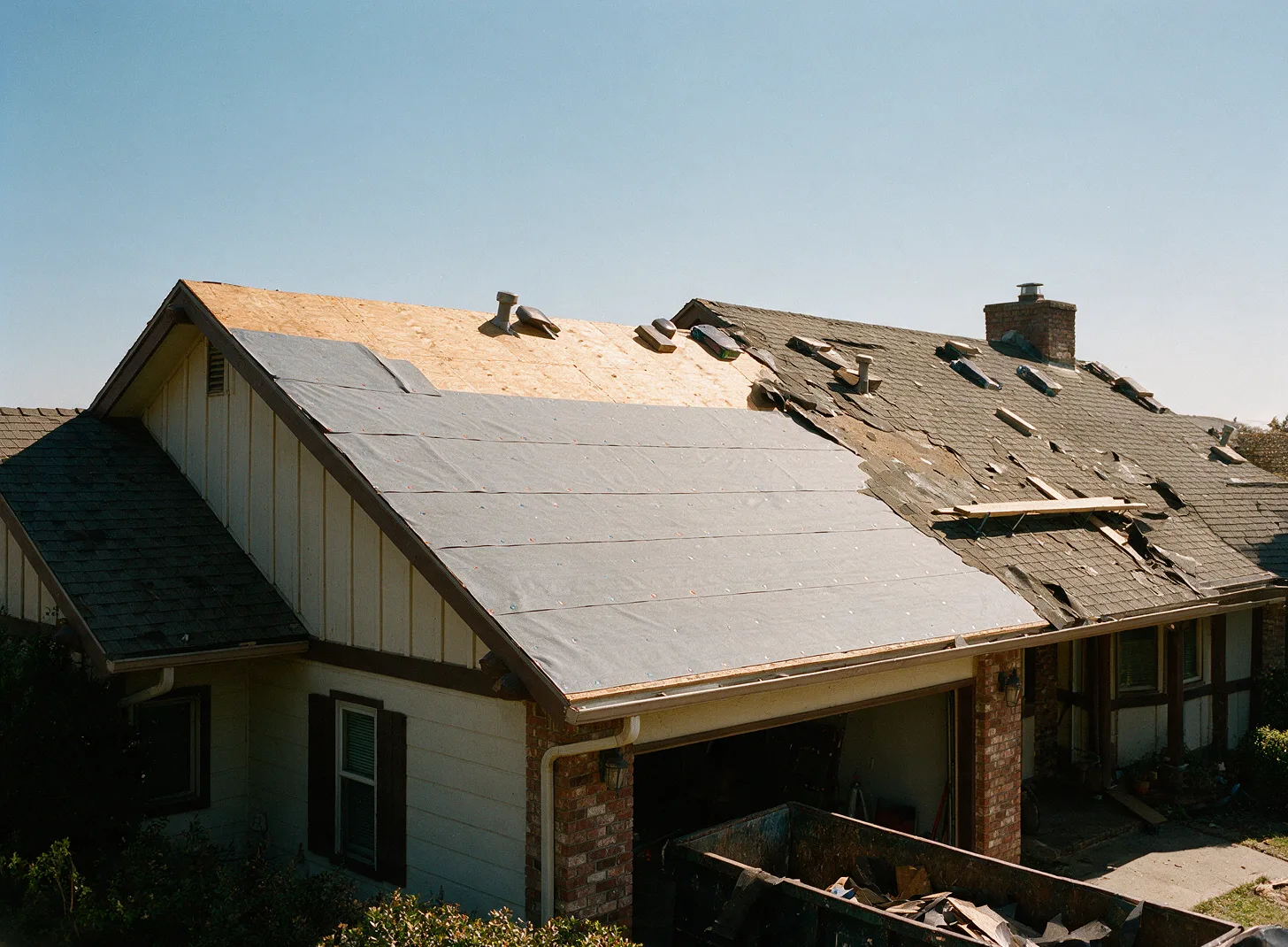
When multiple layers have separated or water has reached the decking across wide areas, we remove the full assembly and install a new system matched to the building load.
Roofing · the USA
We evaluate roof layers and water intrusion routes on every type of system and perform targeted repairs that restore surface integrity across the USA.
Technicians separate each roofing layer to locate the exact point where water begins to travel inward.
We follow moisture movement from the surface down through underlayment and decking to the interior.
Repairs use the same gauge and composition as the original roof to maintain uniform expansion behavior.
Each service targets specific conditions in roof layers and water flow. Our technicians select methods that fit the existing materials and structure of the building.
01When multiple layers have separated or water has reached the decking across wide areas, we remove the full assembly and install a new system matched to the building load.
 02
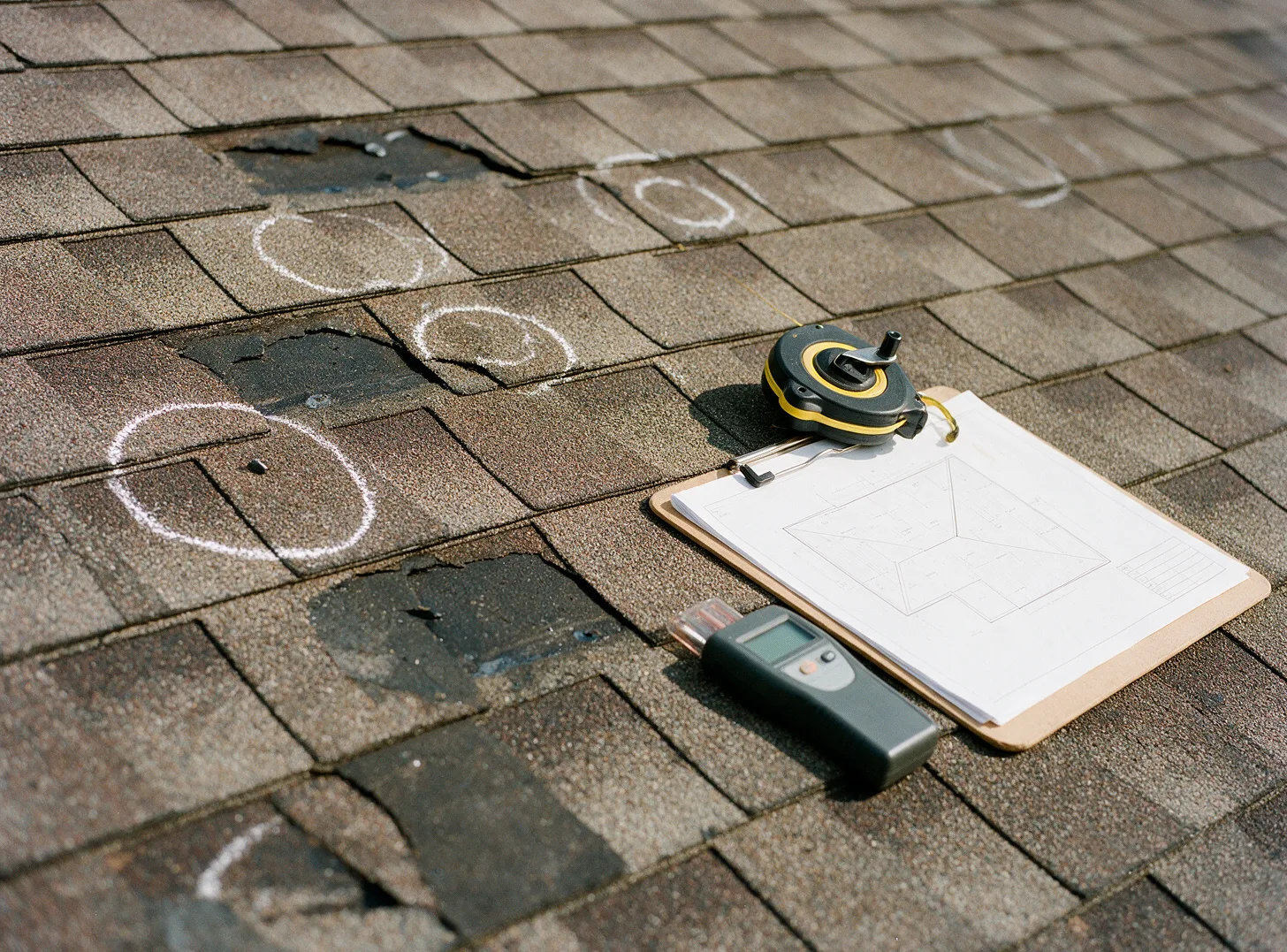
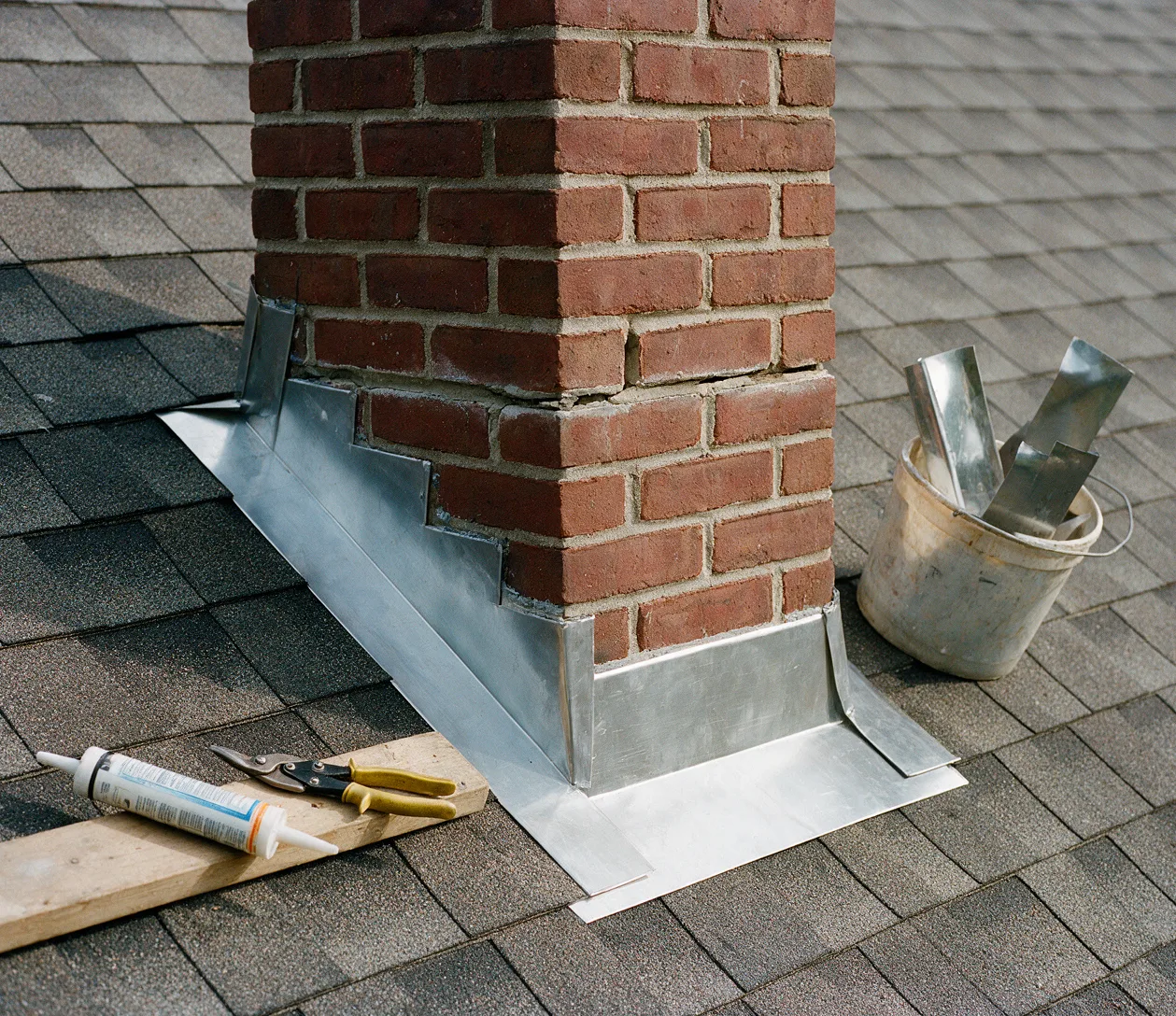
We walk every slope and flat section, checking seam integrity, fastener pull-out, and membrane condition to record where water could enter the layers below.
 03
Leaks are traced from interior stains upward through each layer until the entry point is isolated, then the affected section is restored with compatible materials.
 04
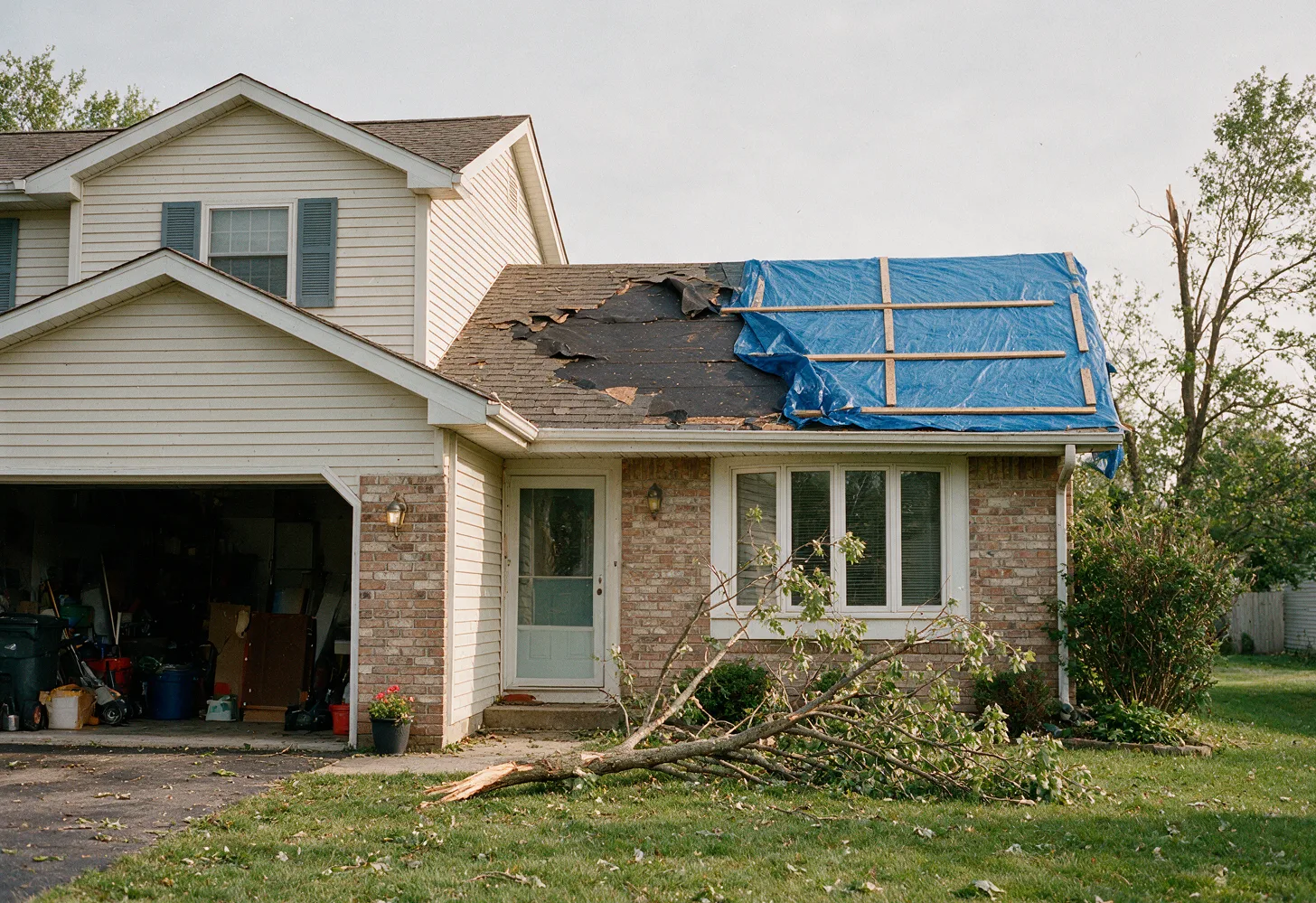
Wind uplift, hail impact, and debris damage are examined by lifting shingles or membrane edges to assess underlayment tears and insulation compression.
 05
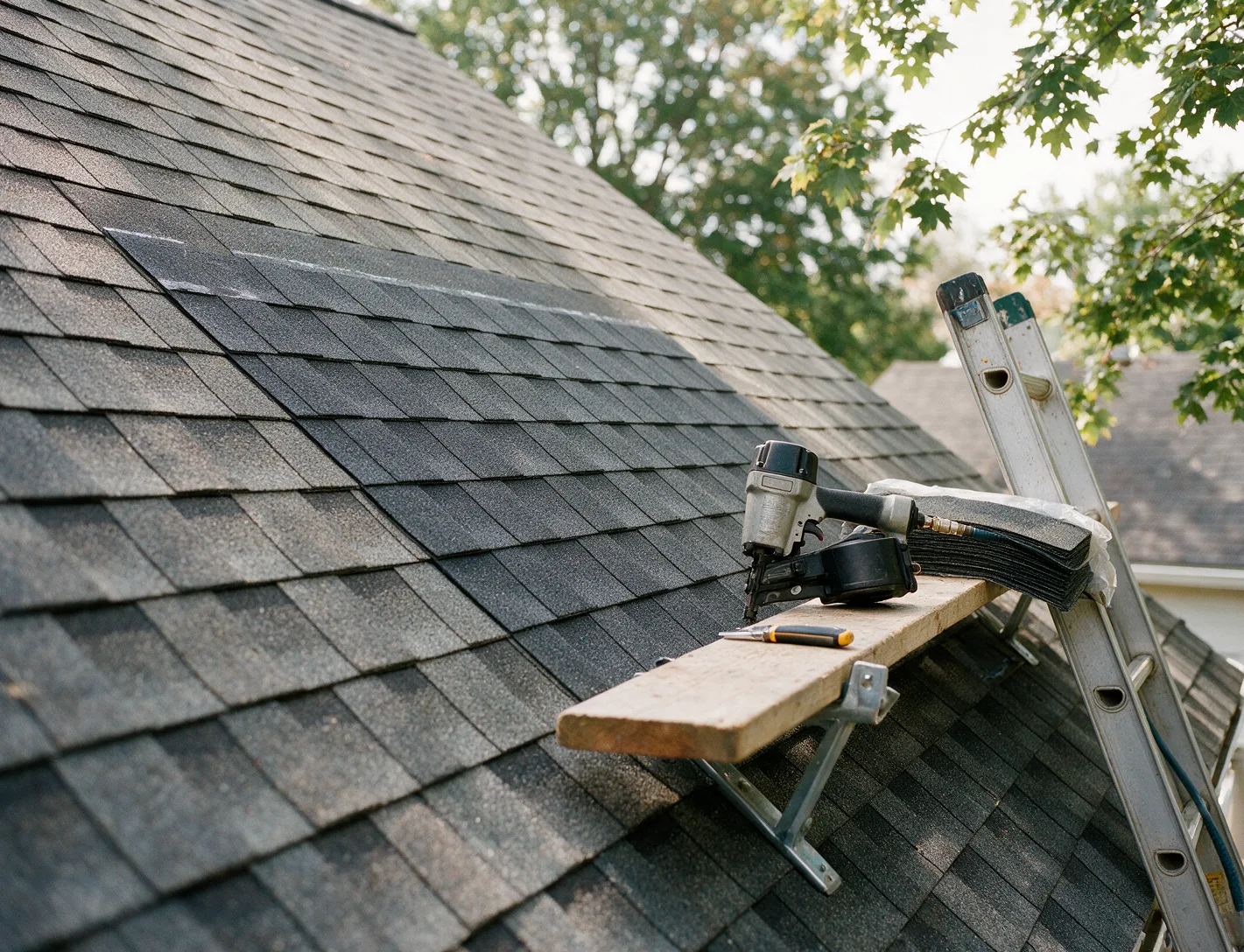
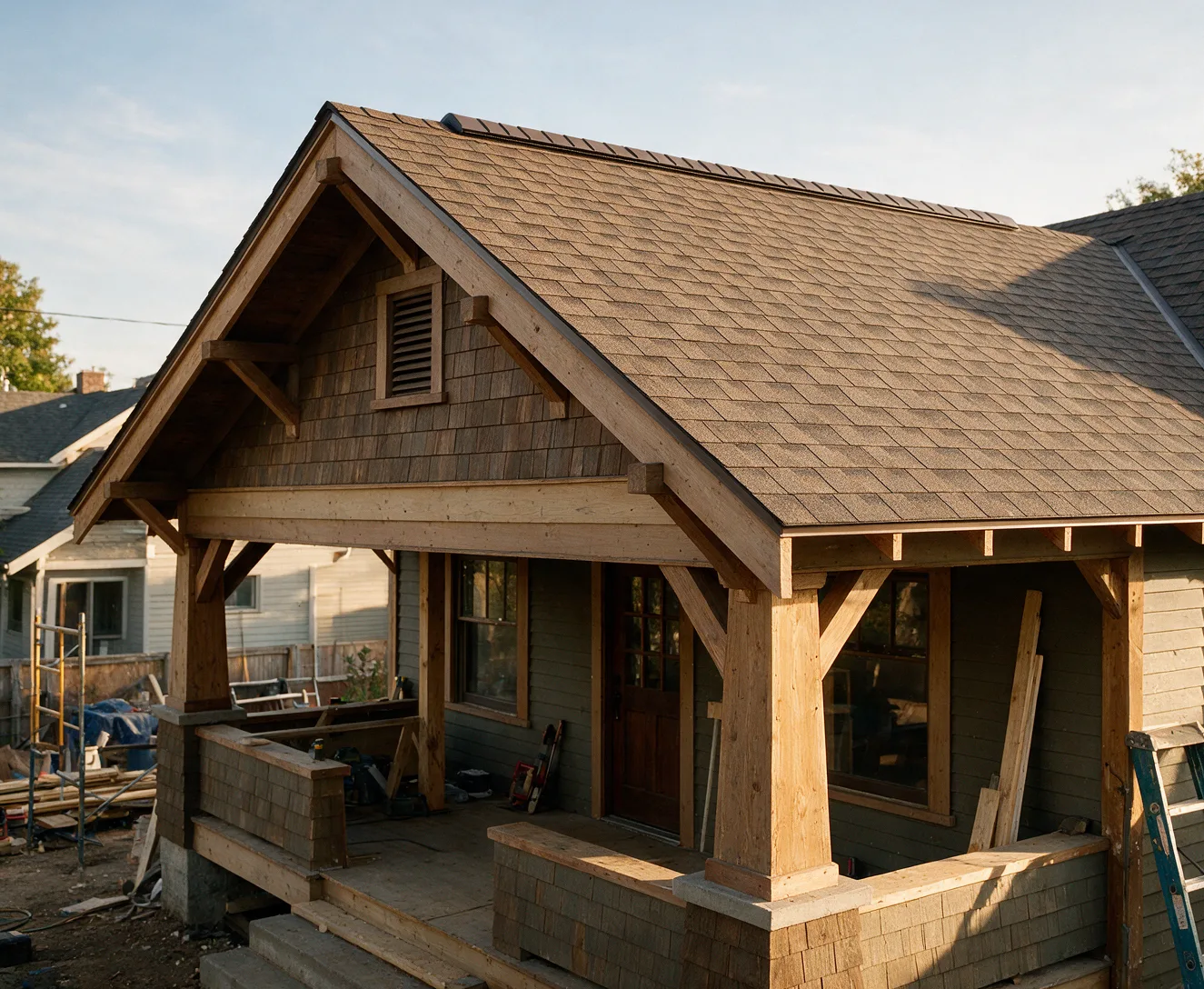
We replace damaged three-tab or architectural shingles while checking the felt layer and drip edge for proper overlap to direct water away from the deck.
 06
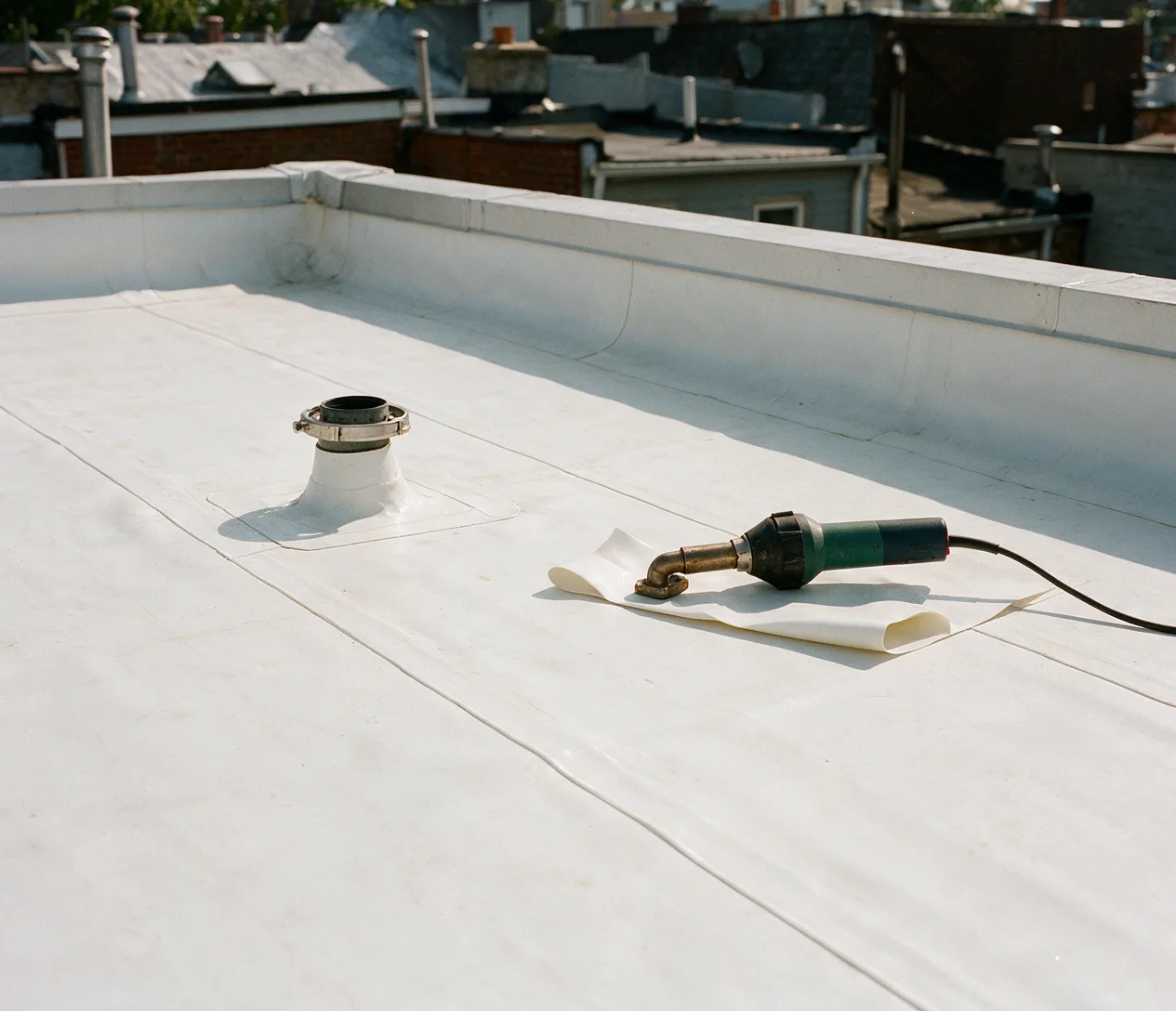
Technicians locate blisters, splits, and ponding areas in modified bitumen or EPDM, then cut out wet insulation and weld new membrane patches.
 07
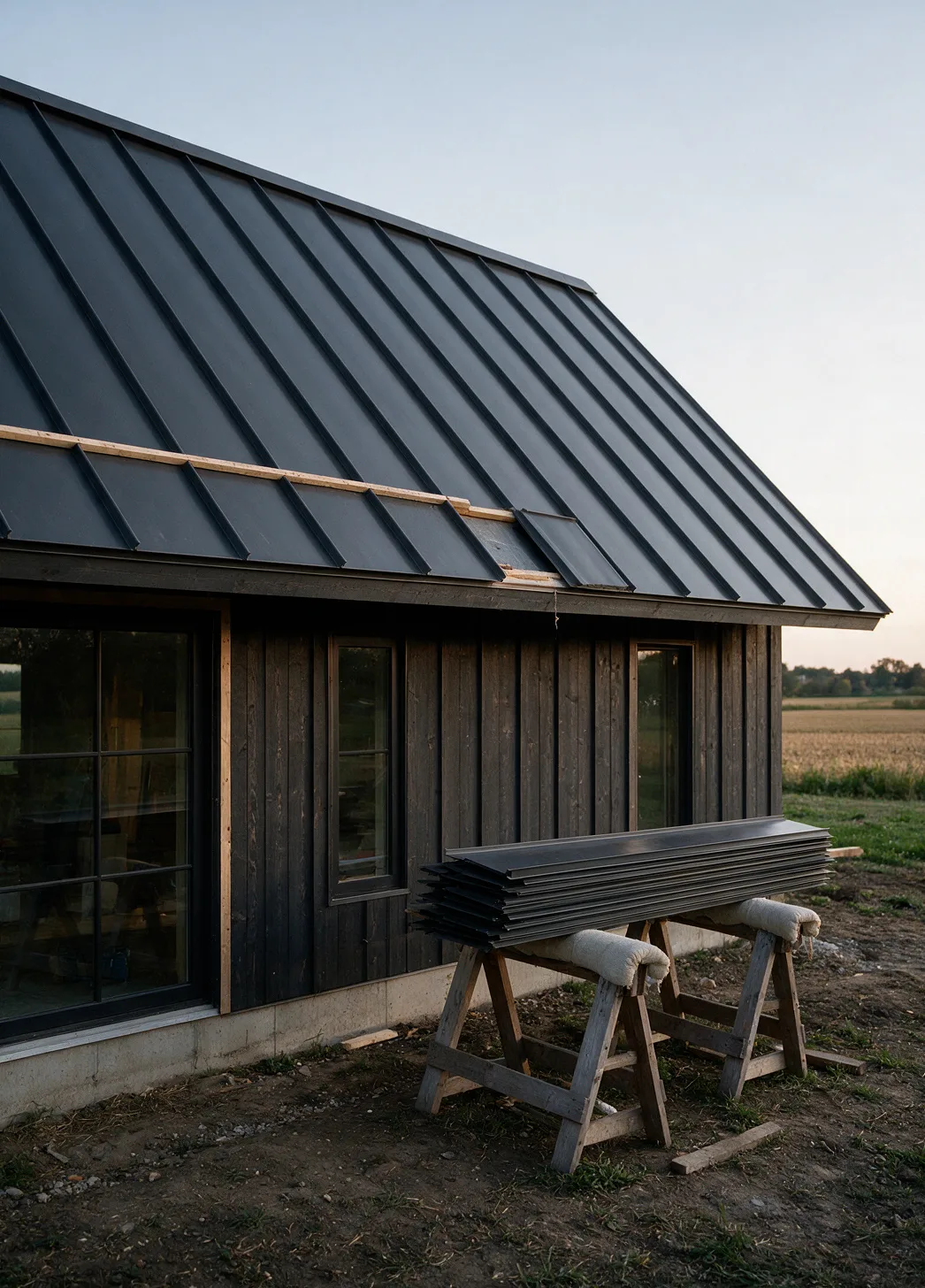
Panel seams, fastener lines, and ridge caps are inspected for sealant failure; we replace corroded sections with matching gauge metal and re-seal overlaps.
 08
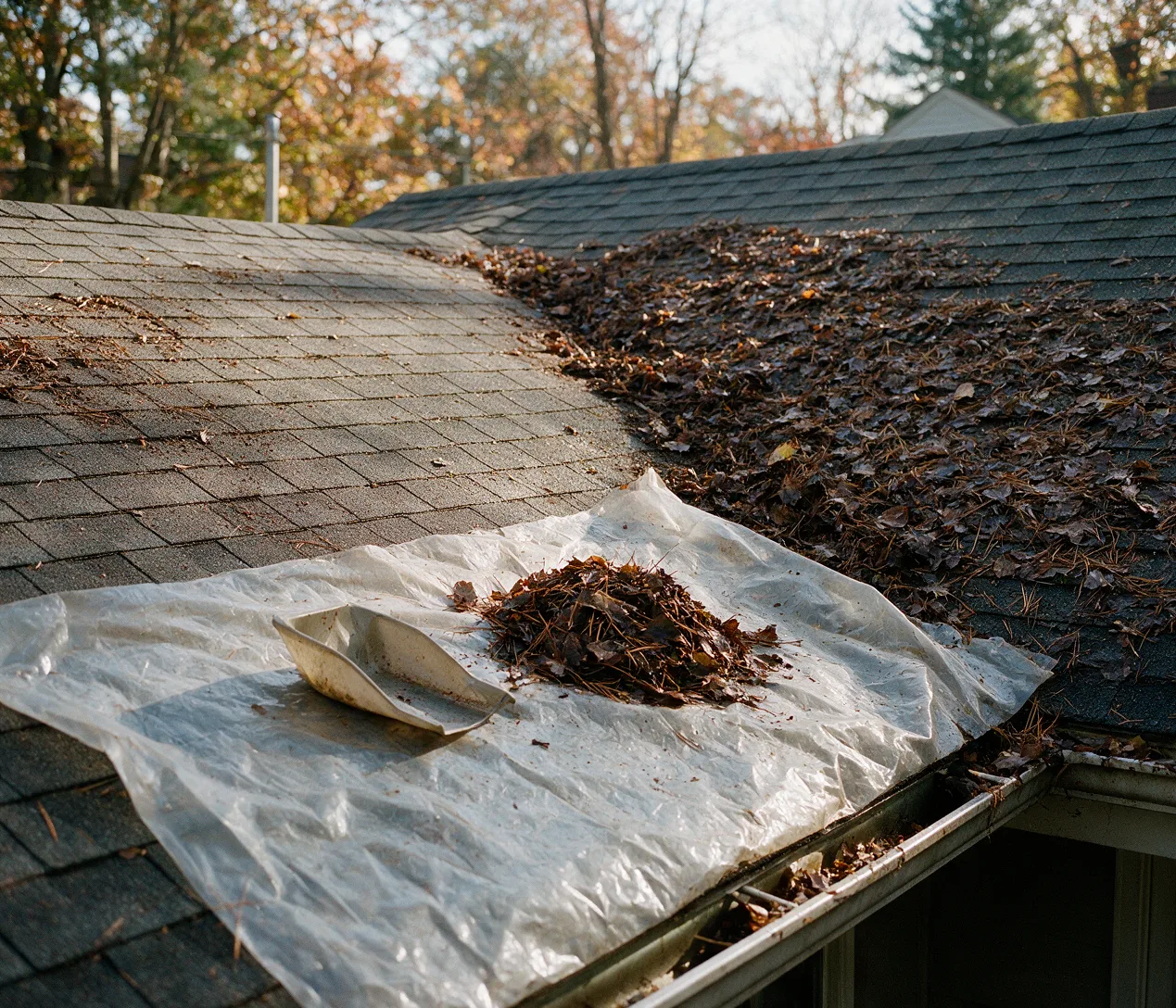
We clear debris from valleys and drains, re-coat seams on flat areas, and tighten exposed fasteners before seasonal temperature swings open new water paths.
Dark streaks on ceilings or walls often mark where water has traveled through multiple roof layers. Blistered shingles or lifted membrane edges show where underlayment has lost adhesion. Homeowners can safely note the locations of these signs from the ground and avoid climbing to inspect further.
Place buckets beneath active drips and move furniture away from the affected interior area. Note wind direction and rainfall intensity, since these factors influence how far water travels under the roof covering. Avoid applying sealants from ladders until a technician has mapped the full path.
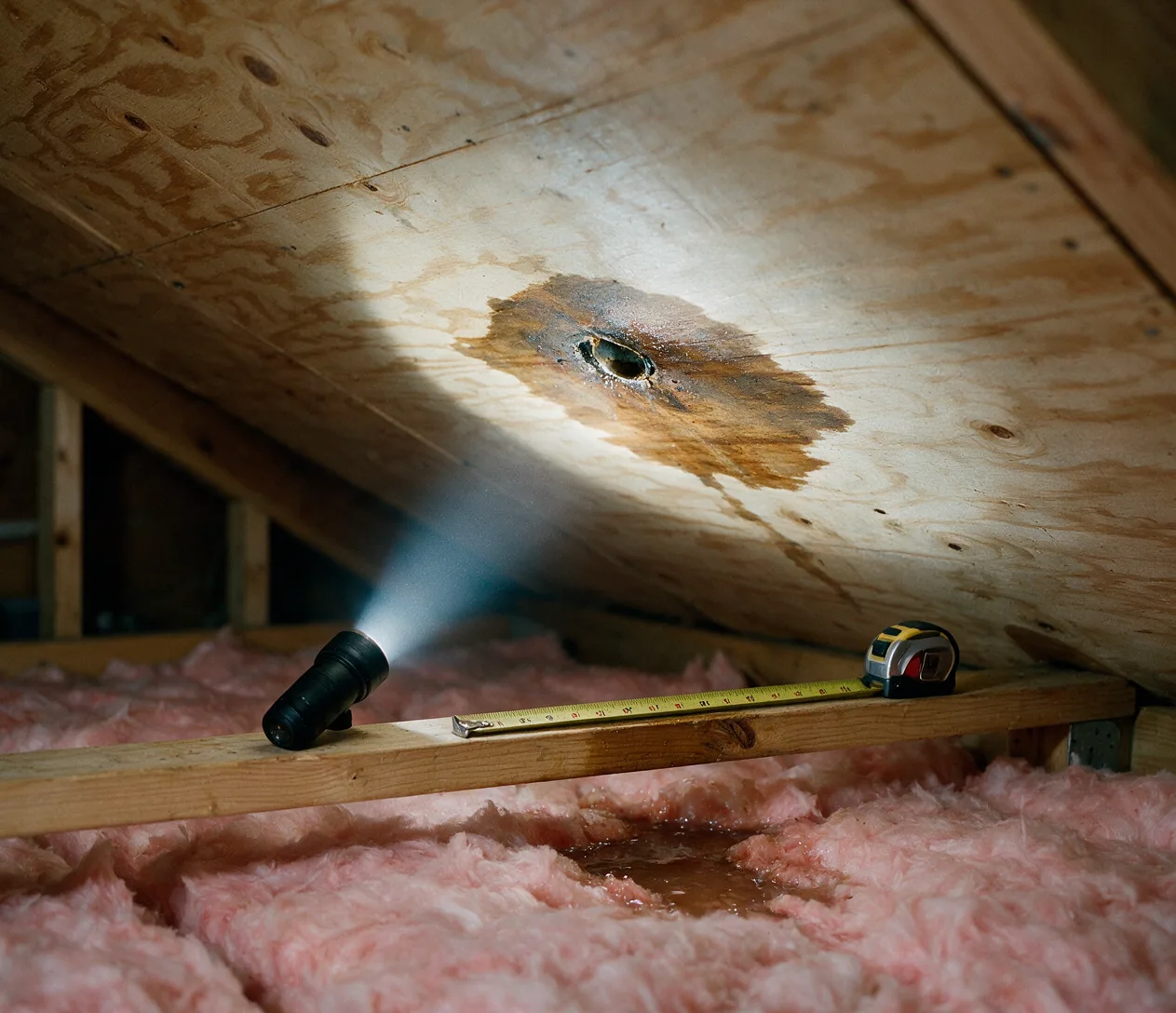
We follow a sequence that begins with surface observation and ends with verification that water paths have been closed at every layer.
Technicians note slope, drainage points, and visible material transitions while recording any areas where water pools or sheeting has lifted.
Selected test cuts reveal the condition of underlayment and decking so the full depth of moisture can be measured before any patch is planned.
New material is installed only where the original has failed, with seams overlapped according to manufacturer requirements for that specific system.
Water is applied to repaired sections while interior spaces are monitored to confirm no new moisture paths remain active.
Our technicians begin at the highest point and work downward, lifting successive layers to expose the deck. They record moisture readings at each level and mark the limits of wet insulation. Temporary tarps are secured only after the entry route is identified so water does not spread to adjacent sections.
The number of compromised layers and the extent of deck damage determine the scope. When less than thirty percent of the surface shows separation and the remaining membrane still bonds, targeted repair sections are installed. Full replacement is chosen when water has reached the structural deck in multiple planes.
Cost is driven by the number of layers that must be removed, the type of membrane or shingle being matched, and the square footage that requires new underlayment. Steeper pitches increase labor because each layer must be handled from scaffolding or lifts rather than walked directly. Flat sections add expense when wet insulation must be extracted and replaced before the new membrane can be welded.
Older structures often contain multiple prior coverings that increase total weight and trap moisture between layers. Rental properties require documentation of every seam and penetration so future tenants receive consistent protection. We adjust repair depth according to the original framing spacing and existing ventilation paths.
We start from interior water stains and move upward through each roofing layer, checking fastener holes, seam gaps, and penetrations until the entry point is isolated.
When damage is confined to one or two layers and the surrounding material remains adhered, we cut out only the affected area and install a compatible patch.
Wet insulation is removed down to the deck so new material can be placed; dry sections are left in place and covered with the new membrane or shingle layer.
Yes. We assess shingle overlap on slopes and membrane seam integrity on flat surfaces, adjusting repair methods to the drainage characteristics of each system.
Multiple prior coverings increase total thickness and can trap moisture between layers, so we perform additional test cuts to confirm the condition of the original deck.
Examine for lifted shingles, dented metal panels, and debris that may have punctured the membrane; note any new interior stains before the next rainfall.
Contact us to arrange an on-site evaluation that maps water paths and identifies the exact layers requiring attention.