
About Certified Roofing Contractors
When a call comes in, details about visible water marks, recent storms or changes in roof performance are recorded so technicians arrive prepared. On site the team begins at ground level, checks drainage paths, then moves to the roof surface. Findings are described using the actual materials present, such as underlayment condition or seam integrity. Debris is removed and access points are secured before departure.
Questions about a job? Start on the Certified Roofing Contractors homepage or call (888) 638-0129.
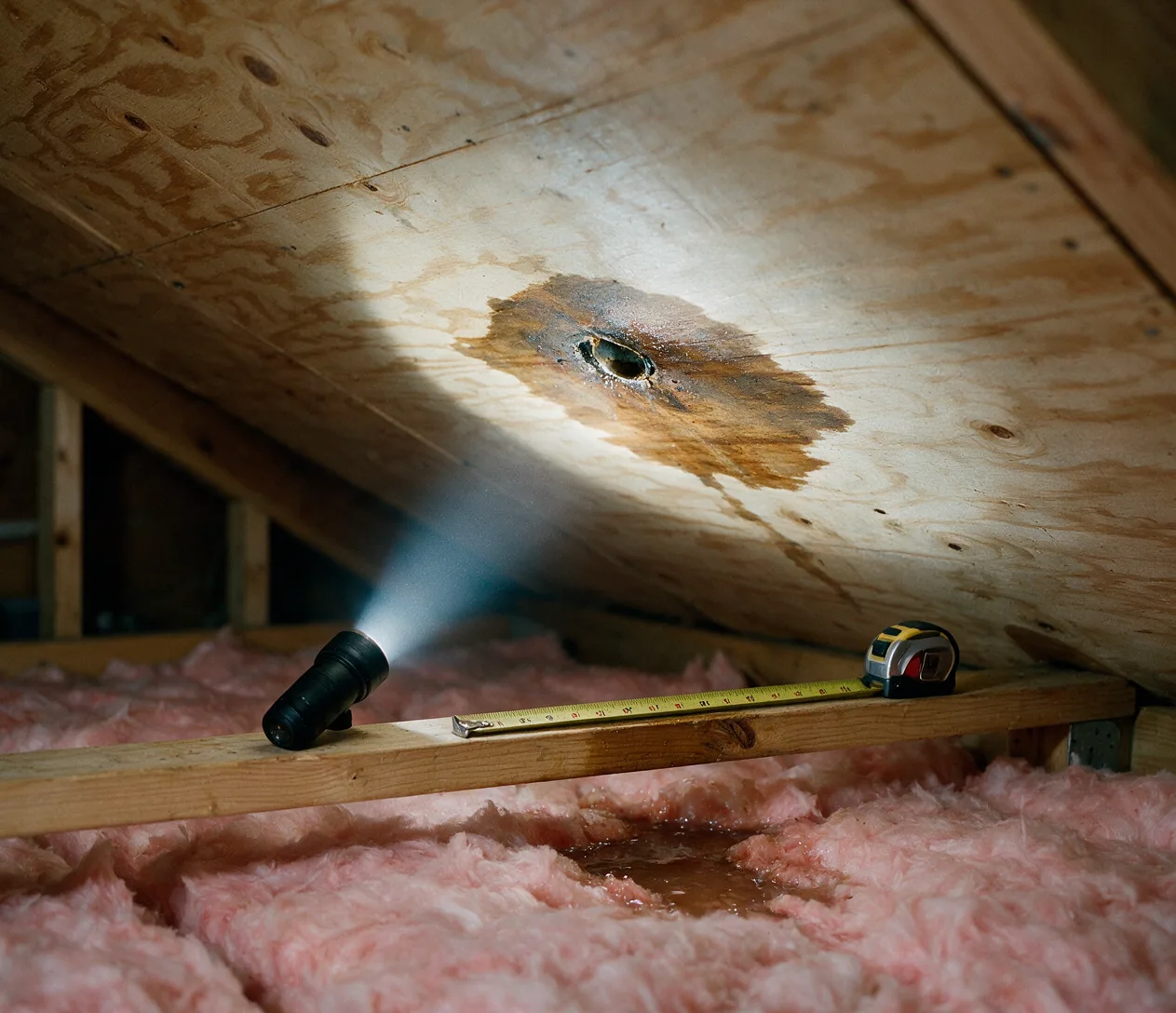
Layer Sequence Checks
Each roofing layer from surface to decking is reviewed in order so water entry points are traced rather than assumed.
Water Path Tracing
Technicians follow actual drainage routes across valleys, flashings and seams to locate where protection has been compromised.
Clear Finding Reports
Conditions are described using the materials present so homeowners understand which components require attention.
Site Cleanup Standard
All debris and equipment are removed and access points secured before technicians depart the property.
Initial Call Handling
A technician records the type of roofing system, approximate age if known, and any interior signs such as ceiling discoloration or attic moisture. Questions focus on recent weather events or maintenance performed so the visit targets likely water paths. This information determines the starting points on the roof, whether asphalt shingles, metal panels or membrane seams.
Homeowners are asked to note any active dripping locations and to avoid climbing onto the roof. The call record travels with the technician so the inspection begins with those specific areas rather than a random walk. No assumptions are made until the layers are viewed directly from above.
On-Site Roof Approach
Technicians first walk the perimeter to observe gutter alignment, downspout function and any obvious panel or shingle displacement. Ladder placement avoids damaging eaves. Once on the surface, the team traces water flow from ridge to eave, checking valleys, penetrations and step flashings for gaps or sealant failure.
Each layer is examined in sequence: surface granules or coating, felt or synthetic underlayment, and decking condition where visible. On flat sections, seams, drains and edge terminations receive close attention because these are common points where water travels laterally beneath the membrane.
Explaining Findings
The technician points out specific locations where water has bypassed protection, such as a lifted shingle exposing underlayment or corroded flashing allowing entry at a wall intersection. Homeowners receive a description of how the observed condition affects the layers below and what material replacement would restore the path of water shedding.
Photographs are taken of each issue so the explanation can reference the exact spot. No repairs are begun until the full sequence of affected components is reviewed and the scope is confirmed with the owner.
Work Area Restoration
After materials are installed or sealed, all removed shingles, membrane scraps and fasteners are collected and carried off the roof. Gutters are cleared of any debris that fell during the work. Access points such as attic hatches are closed and exterior surfaces are brushed clean of granules or dust.
Technicians perform a final walk around the structure to confirm no tools or packaging remain. The homeowner is shown the completed sections so the changes to water flow paths are visible before the crew leaves the property.