
Roof Leak Repair in the USA
Roof leaks develop when water finds a path through shingles, seams or flashings and travels along the underlayment until it reaches a low point in the deck. Our technicians trace that path from the interior stain upward through each layer rather than guessing at the entry point from the surface alone.
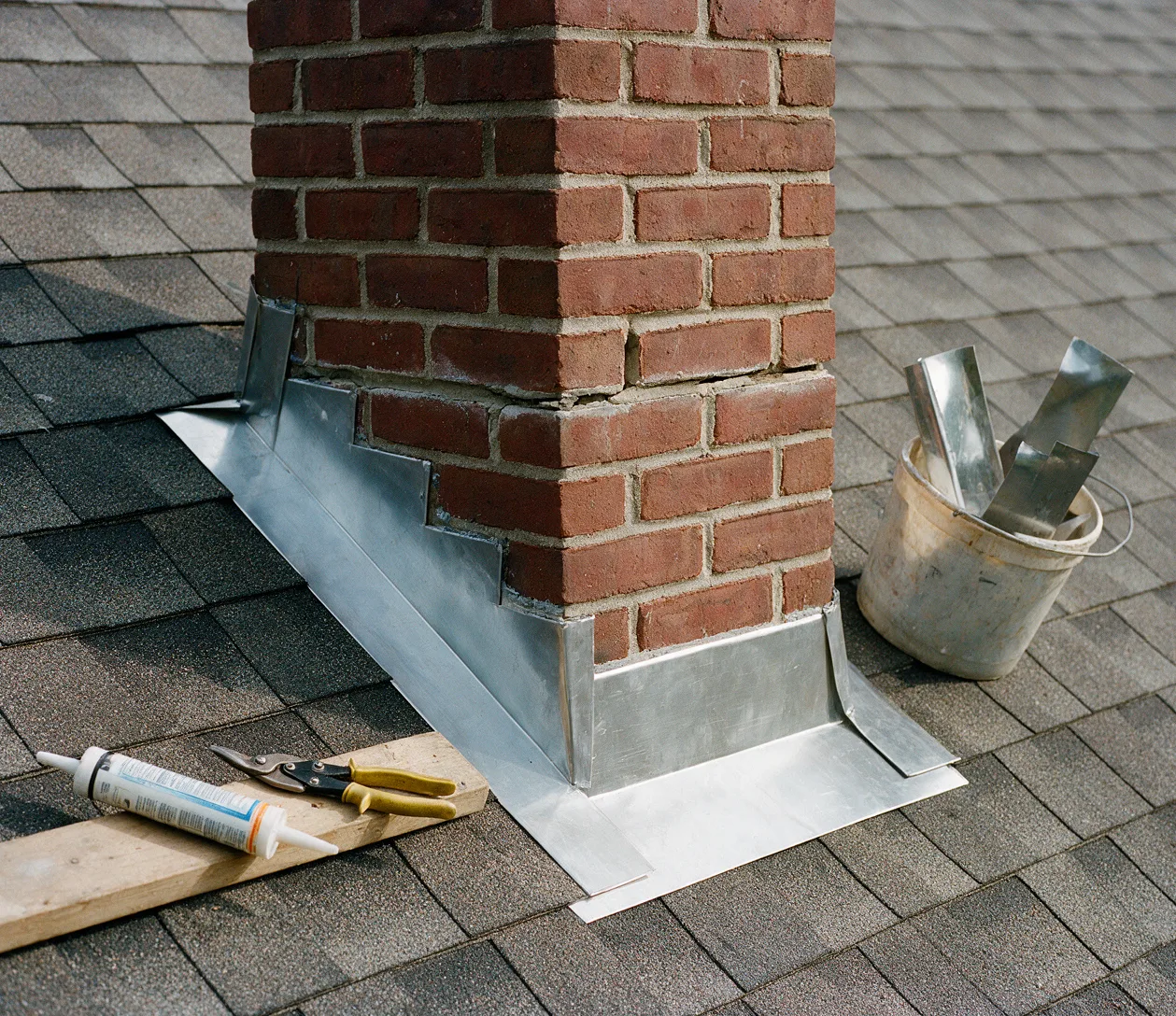
The goal during Roof Leak Repair remains restoring the original drainage plane so water sheds outward instead of collecting against fasteners or valleys. Materials are selected to match the existing system whether that means replacing a section of modified bitumen or resetting metal step flashing along a sidewall. Roof leak repair is part of what Certified Roofing Contractors does across the USA.
Observable Indicators of Active Roof Leaks
- Dark water rings forming on ceiling drywall or plaster.
- Damp or soft spots appearing along interior walls near roof edges.
- Light visible through gaps where shingles meet flashing.
- Granule accumulation collecting in gutters after rain events.
- Musty odor developing in attic spaces after storms.
Common Points Where Water Enters Roofing Systems
Leaks frequently start at deteriorated pipe boots where the rubber collar cracks and allows water to travel down the vent pipe. Valleys collect debris that holds moisture against the metal liner until the sealant fails. Ridge cap nails can back out over time creating small openings that wind-driven rain exploits.
Skylight curbs often lose their counter-flashing seal after thermal movement opens the joint. Step flashing along chimneys can be overlapped incorrectly during prior work allowing water to run behind the brick. Each of these locations requires direct examination rather than surface patching.
Measurements and Checks Performed on Site
Technicians measure deck deflection with a straightedge to determine whether water has already compromised the sheathing. They probe the depth of moisture in insulation layers using a meter and record readings at multiple points to map the affected area. Slope is verified with a digital level to confirm drainage still functions after repair.
Existing fasteners are checked for proper embedment and sealant coverage. Membrane thickness is gauged at exposed edges to verify compatibility with new materials. Underlayment laps are examined from the attic side to see whether they remain sealed or have pulled apart under previous water load.
Repair Approaches and Material Choices
Small breaches in asphalt shingles are addressed by removing the damaged course and installing new shingles with matching weight and color. When leaks occur at seams in modified bitumen, a compatible torch-applied or cold-process patch is used that extends beyond the damaged zone by at least six inches in all directions.
Metal roofing repairs involve cleaning the corroded area then applying butyl-backed flashing tape followed by a matching panel section riveted and sealed at the ribs. Flat roof sections with ponding receive tapered insulation inserts to restore positive slope before a new membrane layer is installed over the entire field.
Actions Homeowners Can Take Before Arrival
Place buckets or tarps under visible interior stains to protect flooring while noting the exact locations and times when water appears. Move attic insulation away from suspected entry points so any continuing drip does not saturate large areas of material. Avoid walking on the roof surface or attempting to apply sealant from ladders.
Document the weather conditions that trigger the leak and photograph interior damage for reference. Clear gutters of loose debris only if this can be done safely from the ground using an extension pole. These steps limit further water travel until technicians arrive to perform the tracing and repair work.
Roof Leak Repair questions
How do technicians locate the exact entry point?
They start from interior water marks and move upward through each layer of shingles, underlayment and decking while noting slope and fastener locations. Moisture meters confirm the extent of saturation so only the affected section receives new materials.
Can leaks be repaired without replacing the entire roof?
Most leaks are isolated to specific seams, flashings or penetrations. Technicians remove only the damaged courses or membrane sections and install matching materials that tie into the surrounding system to restore the drainage plane.
What materials are used for different roof types?
Asphalt shingles receive new fiberglass-reinforced products of the same weight. Modified bitumen uses torch-down or self-adhered patches. Metal panels are replaced with matching gauge and coating while flat areas receive compatible membrane and tapered insulation.
What should be done if an attic shows wet insulation?
Move saturated insulation away from the leak path so remaining moisture can evaporate. Technicians will later determine whether the insulation needs replacement after the roof leak is stopped and the deck has dried.
Request Roof Leak Repair
Contact us to schedule an inspection that traces water paths through your roofing layers and restores proper drainage.