
Roof Maintenance in the USA
Our technicians approach Roof Maintenance by walking the surface to trace how water moves across each layer. They note where thermal movement has opened joints or where debris dams alter flow paths. This inspection identifies small changes in slope or material condition that allow moisture to reach the deck.
Maintenance work separates into cleaning, resealing, and targeted component replacement. Technicians remove organic buildup that holds moisture against shingles or membranes. They then apply compatible sealants at penetrations and edges while checking that fasteners remain seated without backing out. Homeowners anywhere in the USA can book roof maintenance with Certified Roofing Contractors.
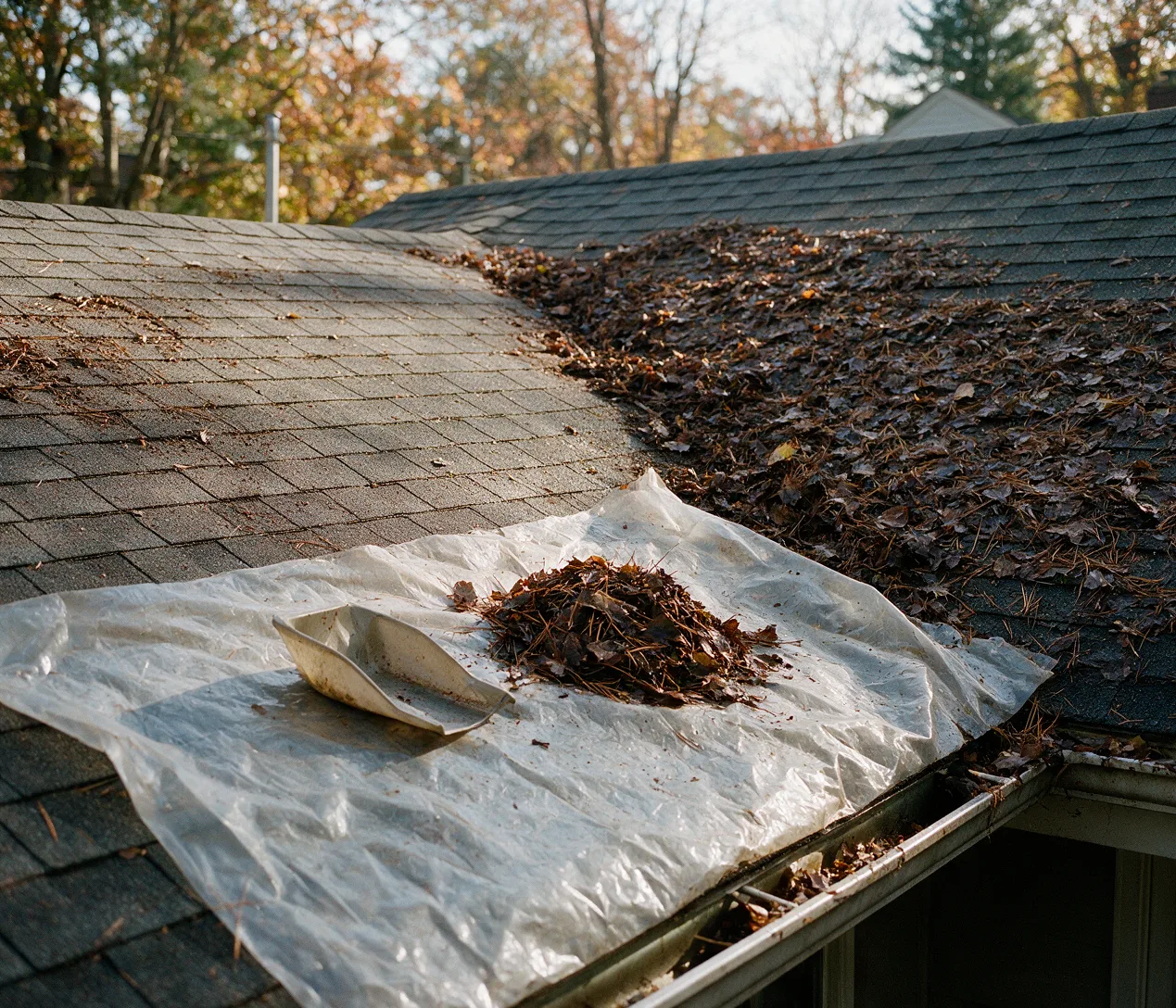
Visible Indicators During Routine Checks
- Granules collect in gutters after normal rainfall.
- Seams lift or separate along membrane edges.
- Ponding remains hours after rain ends.
- Flashing shows gaps around pipe boots.
- Fasteners protrude above the surface plane.
Evaluating Membrane and Shingle Layers
Technicians measure remaining granule coverage on asphalt shingles and check for exposed felt. They lift sample tabs to confirm nail placement depth and look for corrosion on the fasteners themselves. On membrane roofs they probe seam welds with a blunt tool to detect delamination that allows water to travel beneath the top ply.
They also document blistering or ridging caused by trapped vapor. These conditions indicate where the insulation has absorbed moisture and lost R-value. Recording exact locations helps plan whether to overlay or remove affected sections during later visits.
Checking Drainage and Slope Conditions
Water follows the lowest continuous path, so crews verify that crickets and saddles still direct flow to scuppers or gutters. They measure standing water depth with a straight edge and note any new low spots created by deck deflection. Adjusting slope often requires adding tapered insulation rather than altering the structure.
Technicians clear internal drains of debris and confirm that strainers remain securely attached. They test flow by pouring water at the high point and timing how long it takes to exit the system. Slow drainage points to partial blockages that require further investigation.
Addressing Sealants and Flashings
All penetrations receive fresh compatible sealant after old material is removed. Technicians check counterflashing for proper overlap and secure attachment into the wall. They replace deteriorated pipe boots rather than layering sealant over failed rubber.
Edge metal is examined for thermal movement gaps and loose cleats. Where possible, crews add additional fasteners without penetrating the waterproofing plane. This step prevents wind-driven water from entering under the perimeter detail.
Homeowner Preparation Before Arrival
From the ground, note any obvious debris lines on the roof or water stains on fascia boards. Clear gutters only if ladders can be placed on stable surfaces and power lines are avoided. Photograph interior ceiling areas near roof penetrations to show technicians later.
Move vehicles and outdoor furniture away from access points. Provide keys or gate codes for yard entry if crews need to reach rear elevations. These steps allow work to begin without delay once the team reaches the property.
Roof Maintenance questions
How often should Roof Maintenance occur?
Most roofs receive a full inspection twice each year, once in spring after freeze-thaw cycles and again in fall before winter. Flat systems with internal drains may need an extra mid-season check if trees nearby drop heavy debris.
What materials do technicians use during maintenance?
They select sealants matched to the existing membrane chemistry, whether acrylic, polyurethane, or asphalt based. Replacement flashings use the same gauge and coating as the original to maintain thermal movement compatibility.
Can maintenance prevent the need for replacement?
Routine work extends service life by keeping water on the surface and away from seams and fasteners. It does not correct structural deck issues or widespread insulation saturation once those conditions have developed.
What happens if small issues are left alone?
Minor seam separation allows water to migrate under the membrane and reach the deck. Over time this leads to rot or rust that requires larger repairs and potential deck replacement during the next project.
Schedule Roof Maintenance
Contact us to arrange a technician visit that examines every layer and drainage path across your roof.