Metal Roofing in the USA
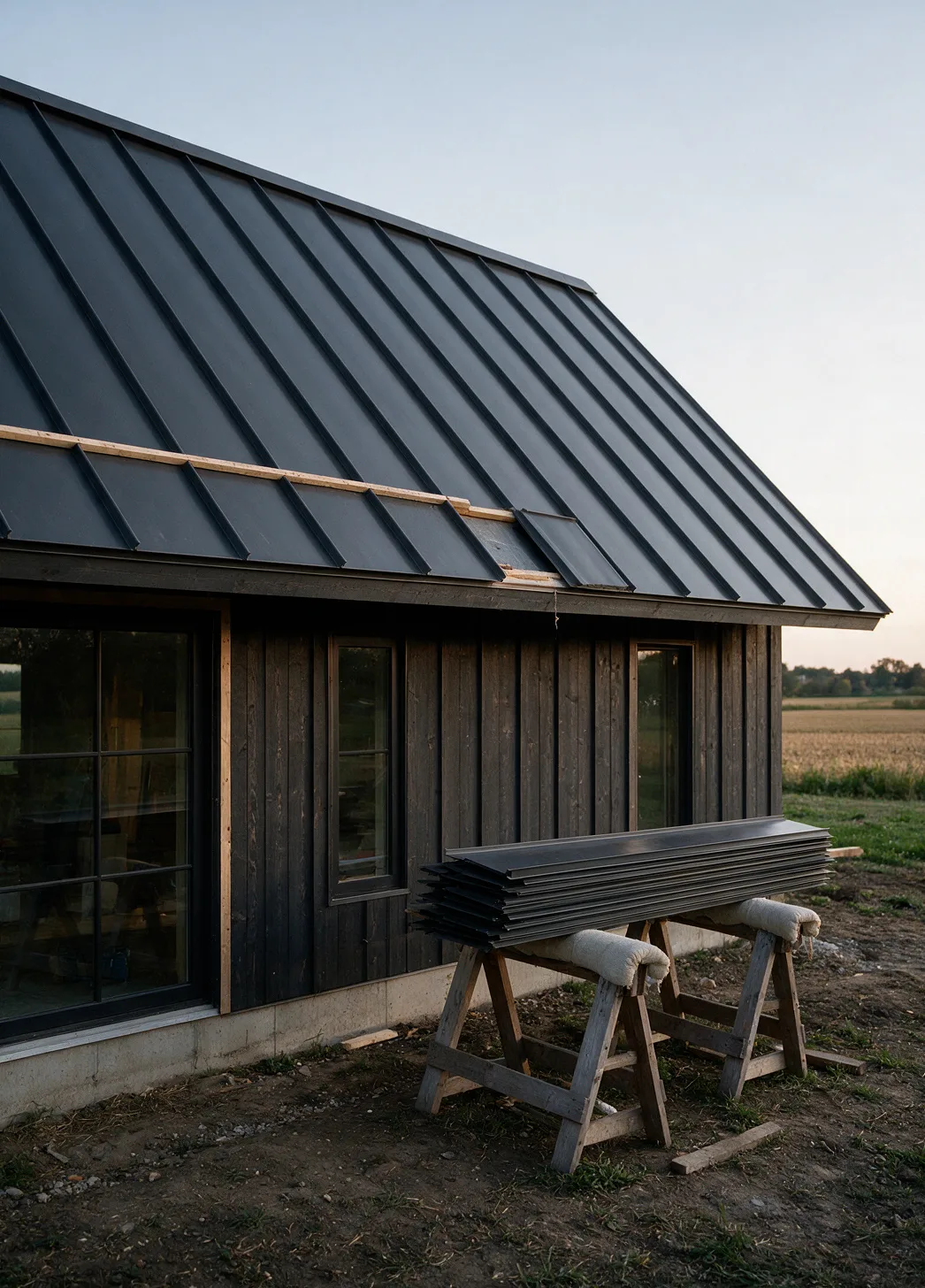
Metal roofing consists of interlocking panels laid over underlayment and decking. Our technicians follow water intrusion paths that start at seams or penetrations and move downward through multiple layers. They measure panel overlap distances and check how thermal movement affects fastener tension over time. This approach locates corrosion before it reaches the wood substrate.
Installation choices include exposed fastener systems or standing seam profiles with hidden clips. Each option changes how water sheds and how panels expand with temperature shifts. Our crews select materials based on slope, existing deck condition and expected snow or wind loads. They verify that new panels align with original attachment points to maintain consistent drainage. Certified Roofing Contractors schedules metal roofing visits throughout the USA.
Warning Signs of Metal Roof Issues
- Rust streaks forming along panel edges or around screw heads
- Water stains appearing on interior ceilings after heavy rain
- Panels lifting at seams during strong wind events
- Granule loss visible on underlying shingles near metal edges
- Soft spots felt in decking when walking certain roof sections
Fastener and Seam Inspection Process
Technicians begin at the ridge and work downward, checking every exposed screw for proper seating and washer integrity. They note any gaps where sealant has pulled away and allows water to track under the panel. Measurements are taken of clip spacing on standing seam roofs to confirm movement allowance. Underlayment is examined through small test cuts when interior moisture points to deck saturation.
Corrosion often starts where dissimilar metals contact without isolation. Crews identify these locations and document coating thickness loss with a gauge. They trace how runoff from one panel affects the next lower course. This mapping shows whether a single panel swap will stop the water path or if adjacent sections require attention.
Homeowners can safely inspect the attic for dark streaks on sheathing or insulation. They should note the exact locations relative to roof penetrations such as vents or skylights. Avoid walking on the roof surface until technicians arrive.
Repair Options for Panel Damage
Minor fastener leaks are addressed by removing the old screw, cleaning the hole and installing a new oversized fastener with butyl washer. When the hole has elongated from movement, the crew installs a new panel section that overlaps the existing course correctly. Sealant is applied only at the lap edges after the panel is secured.
For widespread coating failure, a fluid-applied restoration membrane can be rolled over clean metal. This creates a continuous surface that bridges small gaps without replacing every panel. The material is selected to match the existing slope and expected foot traffic loads. Technicians ensure all edges terminate above the water line on adjacent surfaces.
Full replacement becomes necessary once decking shows widespread rot. Panels are removed in sequence starting from the eaves. New underlayment is installed in courses that lap correctly, then panels are set with the proper clip schedule for the region.
Material and Profile Considerations
Galvalume and galvanized steel differ in corrosion resistance once the coating is breached. Our crews match the original substrate when replacing sections so expansion rates remain consistent across the roof. Color coatings are chosen for UV stability and to reduce heat gain through the metal surface.
Standing seam profiles hide fasteners and allow greater thermal movement. Exposed fastener panels require more frequent inspection at screw locations. Slope determines which profile maintains positive drainage without water pooling at laps. Technicians verify that valley and ridge details direct water away from seams.
Flashing at walls and penetrations must extend under the metal at the top and over it at the bottom. Crews measure these overlaps to ensure they exceed minimum requirements. They also check that step flashing integrates with each panel course without creating reverse laps.
Homeowner Preparation Steps
Before technicians arrive, clear gutters and downspouts of debris so water flows away from the foundation. Note any interior ceiling stains and mark their positions on a simple diagram. Photograph exterior areas where panels appear loose or discolored for later discussion on site.
Turn off attic ventilation fans if present and listen for dripping sounds during the next rain. This helps pinpoint active leak locations without climbing onto the roof. Avoid placing buckets directly on finished ceilings where they may cause additional damage.
Metal Roofing questions
How do metal roof leaks typically start?
Leaks begin at fastener holes where washers crack or at seams where sealant fails. Water then travels along the panel underside until it finds a joint in the underlayment. Technicians trace this path upward from the interior stain to the entry point on the exterior.
Can damaged panels be replaced without redoing the whole roof?
Yes, individual panels can be removed and new ones installed if the surrounding metal remains sound. Crews cut the old panel at the seam, install clips or screws at the correct spacing, and lap the new piece properly. This maintains the original drainage pattern.
What underlayment works best under metal panels?
Synthetic underlayment with high tensile strength resists tearing when panels expand. It is laid in courses that lap at least six inches, with seams sealed at valleys. This layer directs any water that passes the metal into the gutters rather than the decking.
How often should metal roofs be checked?
Technicians recommend inspection after major storms and once per year otherwise. They focus on fastener tension, coating condition and seam integrity. Early detection prevents water from reaching the deck and requiring more extensive repairs.
Schedule Metal Roofing Service
Contact us to have technicians examine your metal panels and trace any water paths across the USA.